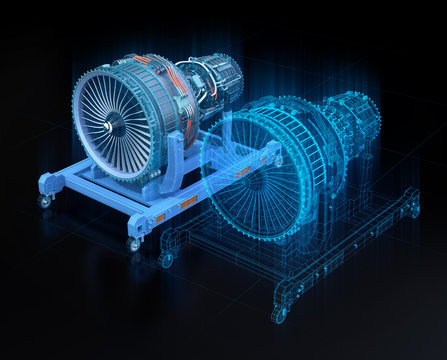
The OpSimTech Physics-AI Stack.
A three-layer architecture. The ground truth is physics. The acceleration layer is AI. The output is a digital twin engineers can actually use.
High-Fidelity Physics Core
Every digital twin begins with trusted engineering science. Before AI can predict in milliseconds, it must learn from validated physics. We use industrial-grade simulation to generate training data, establish physical constraints, and verify model accuracy. The result: AI models that inherit the speed of machine learning without sacrificing engineering credibility.
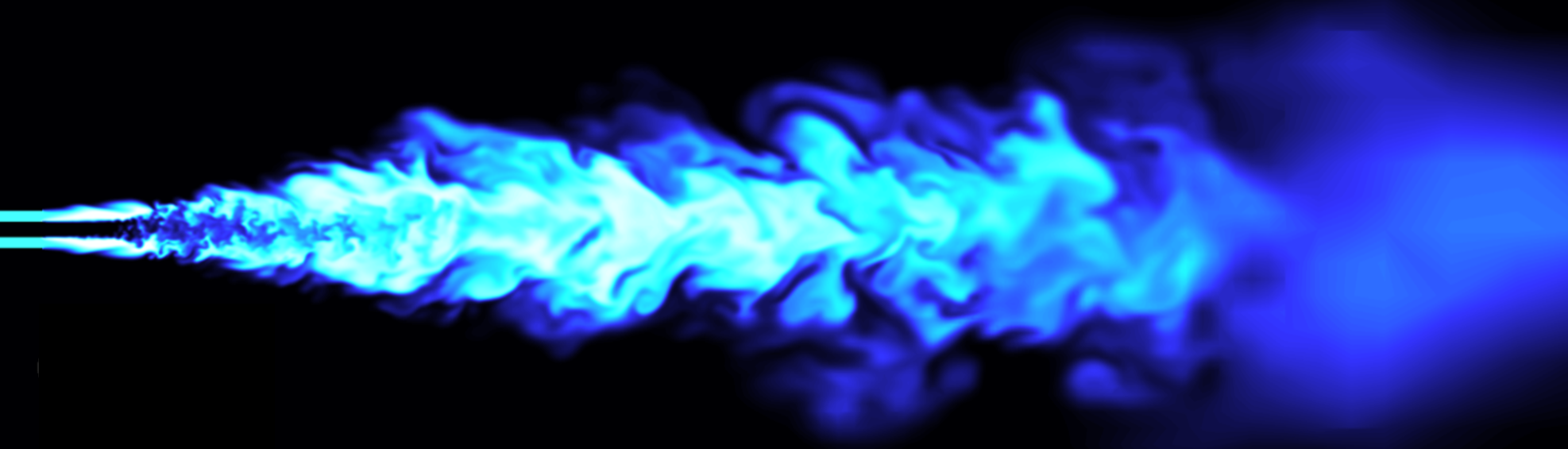
Computational Fluid Dynamics
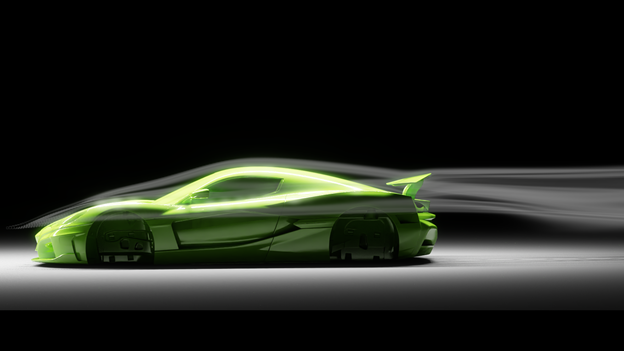
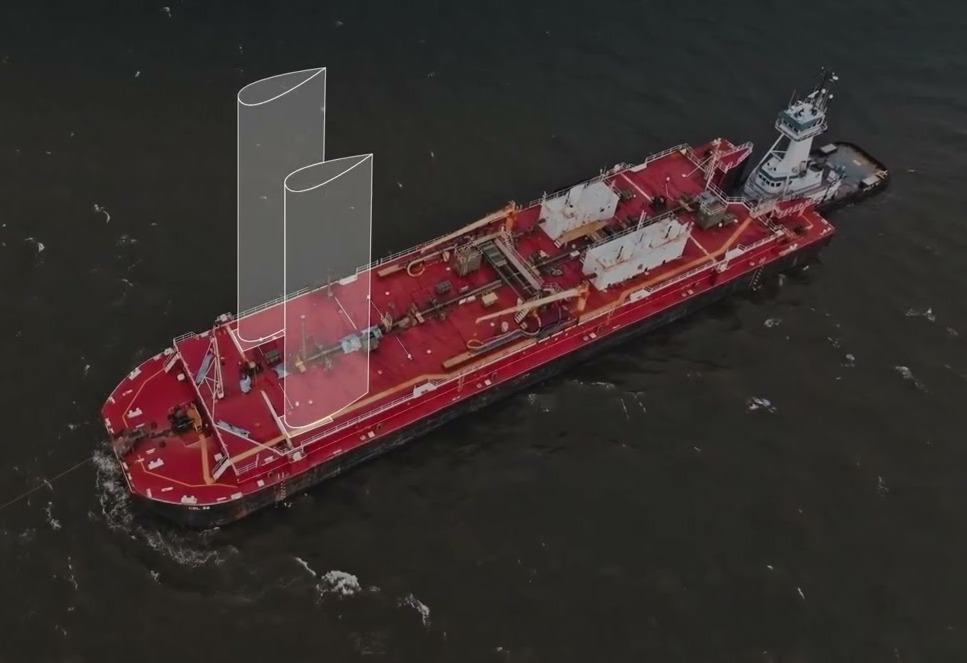
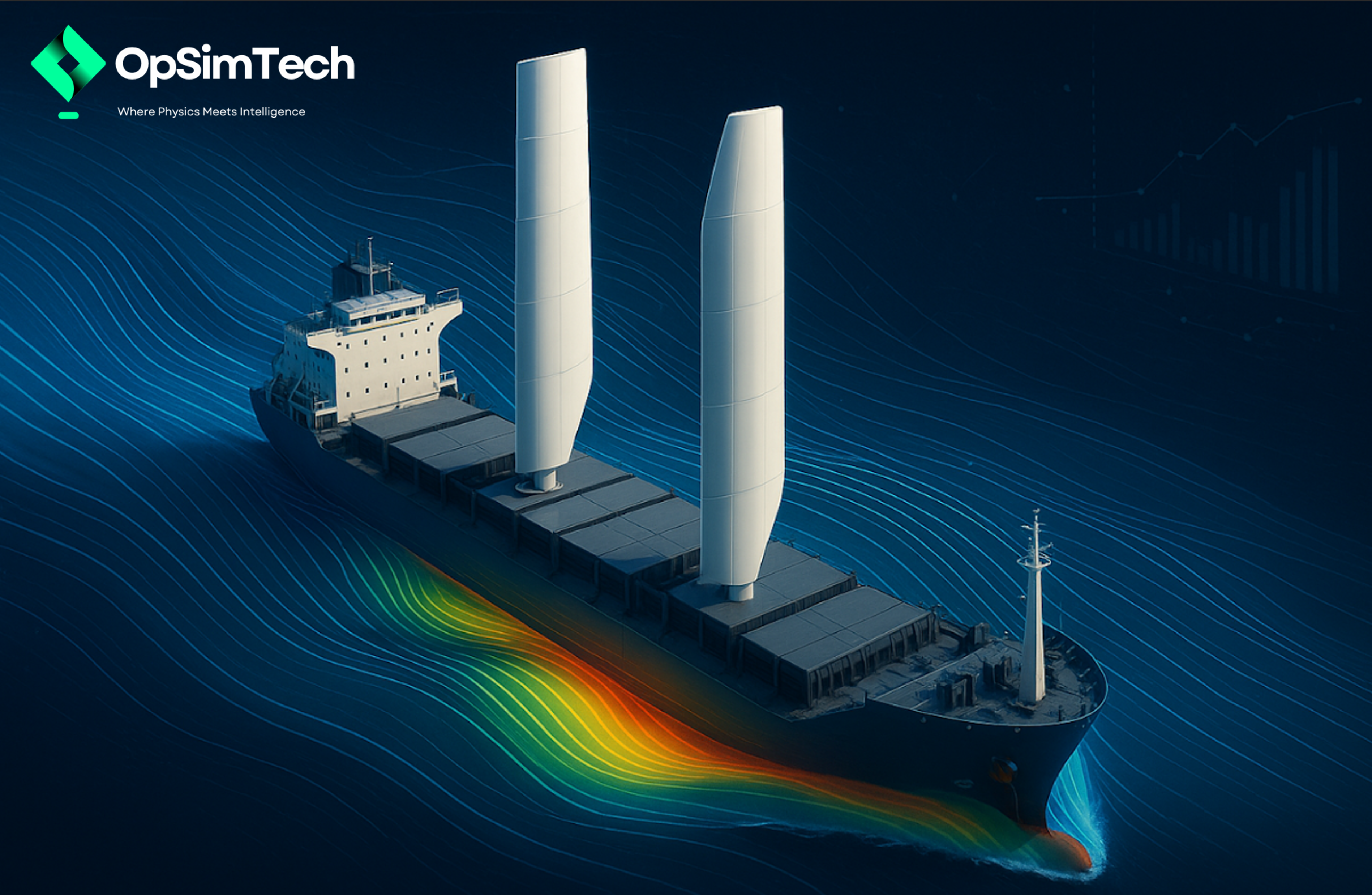
Predict how fluids move, transfer heat, and generate forces. Used for aerodynamics, ship hydrodynamics, thermal management, HVAC, and industrial process optimization where flow behavior determines performance.
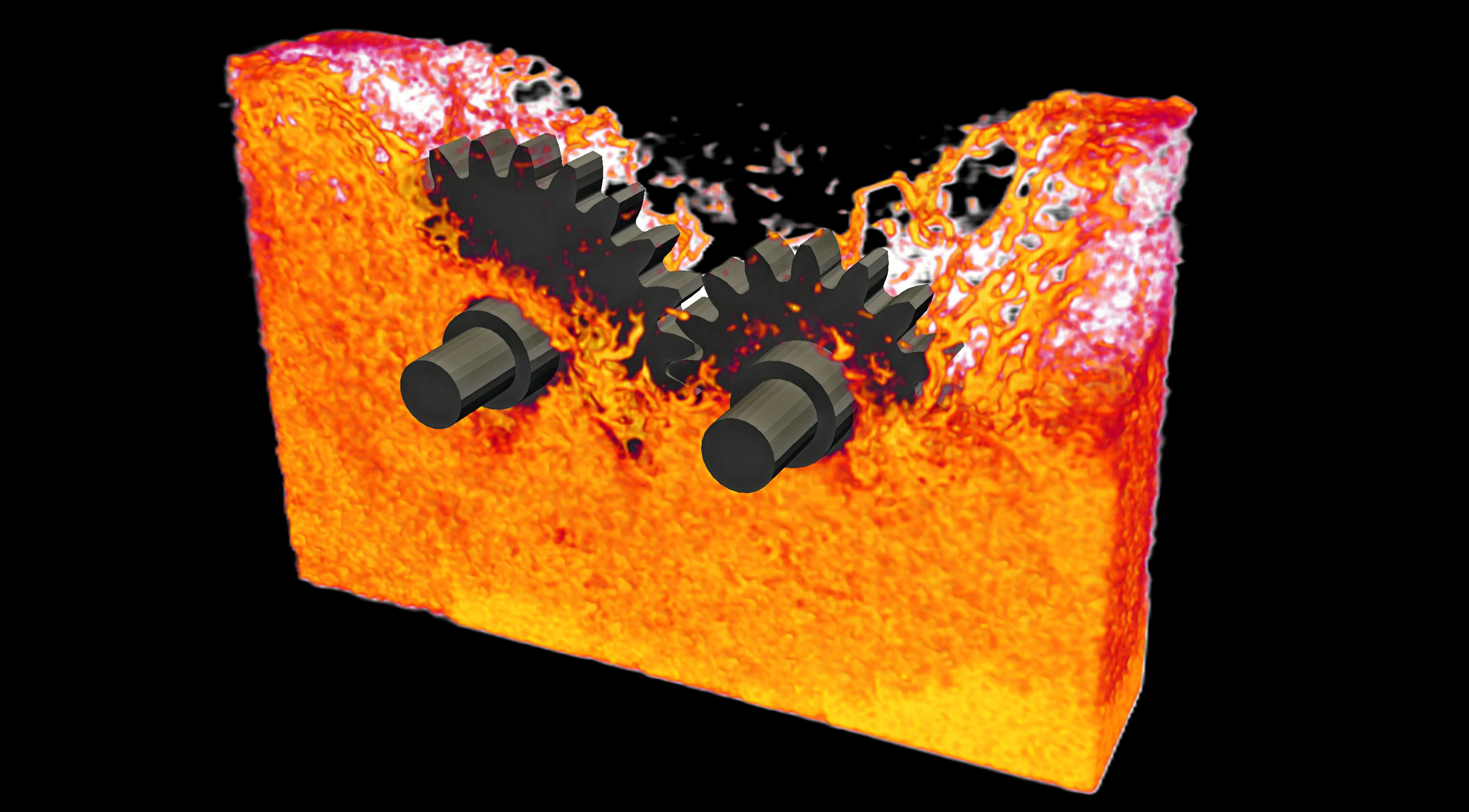
Smoothed Particle Hydrodynamics
Simulate complex fluids where traditional meshes struggle. Ideal for free-surface flows, moving boundaries, slurries, mixing processes, and multiphase systems.
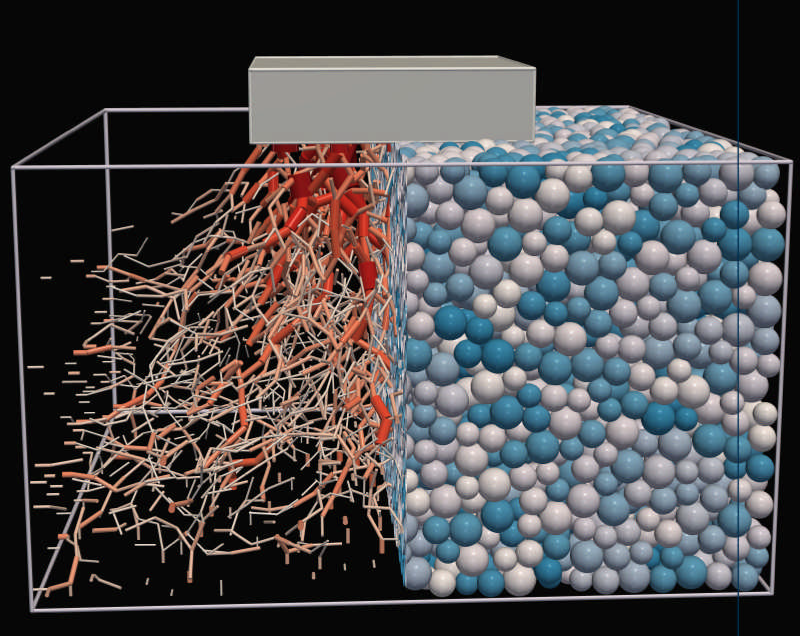
Discrete Element Method
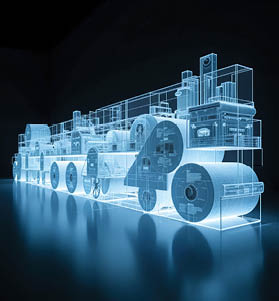
Model particle-level behavior with engineering precision. Used to understand granular flow, powder handling, bulk materials, and manufacturing processes where particle interactions drive product quality and throughput.
Physics-AI Hybrid Layer
Where simulation becomes real-time intelligence. We combine validated physics with AI to deliver engineering-grade predictions in milliseconds instead of hours. The right Physics-AI method is selected for each application based on the available data, physics complexity, and operational needs.
Fast. Accurate. Scalable.
Physics-guided surrogate models and reduced-order models trained on high-fidelity simulations. Best for: design optimization, parameter sweeps, and real-time decision support.
Most deployments · simulation data available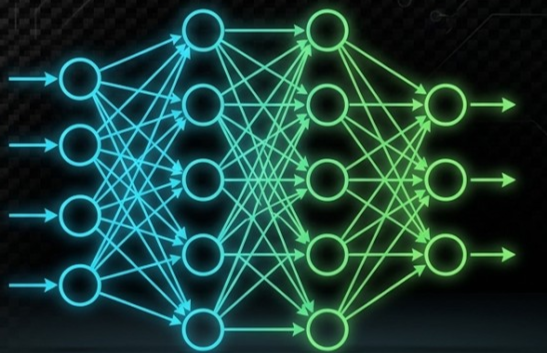
Physics built into the model.
Governing equations are embedded directly into the learning process, improving performance when data is limited and physical constraints matter.
Data-sparse · physics-constrained domains
Sensors first. Physics verified.
For sensor-rich systems, live operational data drives predictions while physics models provide validation and confidence.
Sensor-rich · high-frequency environmentsReal-Time Digital Twin
A live digital representation of your system, continuously updated with sensor data and powered by Physics-AI. Instead of waiting for reports, engineers and operators interact with a real-time model for prediction, optimization, and decision-making.
Always synchronized with reality.
Continuously ingest sensor data to keep the twin aligned with operating conditions.
Speed where you can. Accuracy where you must.
Combine analytical models, Physics-AI surrogates, and high-fidelity simulations into a single state estimate.
From prediction to action.
Run scenario analyses, optimize operations, assess risk, and support regulatory compliance in real time.